Book Review: The Name of the Wind
Dec. 8th, 2025 12:12 pm![[personal profile]](https://www.dreamwidth.org/img/silk/identity/user.png) theliteraryadventures
theliteraryadventures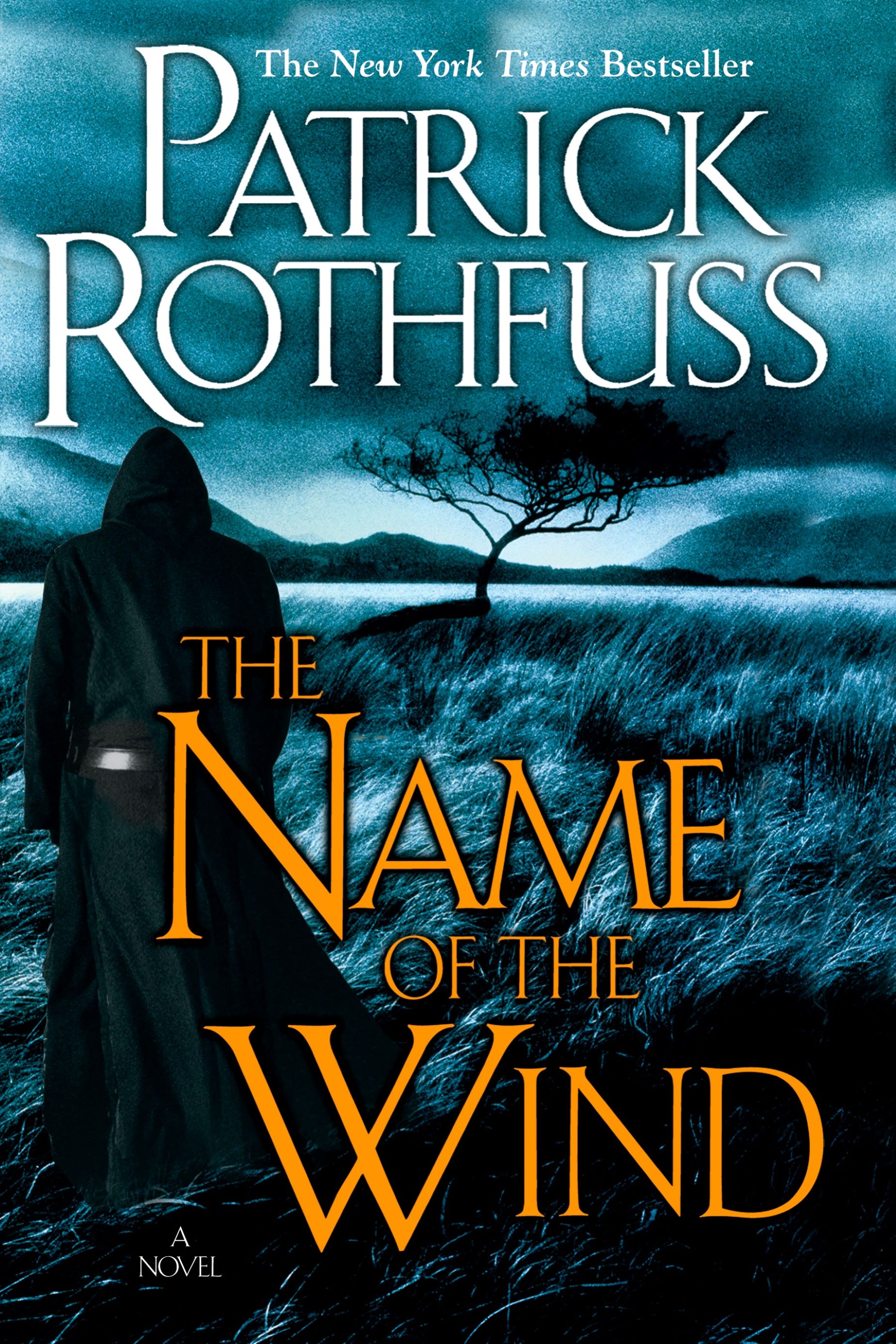
BY: Patrick Rothfuss
SERIES: The Kingkiller Chronicle (#1)
RELEASES: April 1, 2007 by Penguin Group DAW
GENRE: Heroic fantasy
AGE RANGE: Adult
RATING: 2 out 5
SYNOPSIS: Told in Kvothe's own voice, this is the tale of the magically gifted young man who grows to be the most notorious wizard his world has ever seen.
The intimate narrative of his childhood in a troupe of traveling players, his years spent as a near-feral orphan in a crime-ridden city, his daringly brazen yet successful bid to enter a legendary school of magic, and his life as a fugitive after the murder of a king form a gripping coming-of-age story unrivaled in recent literature.
A high-action story written with a poet's hand, The Name of the Wind is a masterpiece that will transport readers into the body and mind of a wizard.
REVIEW: This is the story of Kvothe, a young man with magical gifts who rose to become the most notorious wizard in the world.
He spent his childhood with a troupe of traveling actors. As an orphan, he roamed a crime-ridden city, living like a wild child. This exciting coming-of-age story is unique in recent literature. It showcases a brave attempt to enter a legendary magic school. Then, it follows his life as a fugitive after a king’s murder.
The story did not leave a strong impression on me. As a book, it was not bad, but it did not live up to my expectations.
Kvothe’s almost limitless abilities leave me feeling bored. His greatness just does not resonate with me. Things were happening, but they felt unimportant. Given his fame, I expected an exciting story. Instead, it was about student fights and problems with university masters. The only interesting part of the book was the hunt for the Chandrian.
The magic is called Sympathy. I find it confusing. The explanation was poor, which makes the world-building hard to grasp. I know some of you enjoy it, but I cannot see it. Yes, the author depicts some things well, but only what relates to Kvothe; the rest is a complete mess. Incomplete is the best way to describe the world-building. I am not even sure if this is historical fiction or fantasy; it is a cross between the two. Try to imagine my head when I read it.
There are then the characters, or rather character, since only Kvothe has a lot of screens time. Kvothe’s personality might not always match the story, but he is not trying to be unreliable. I suspect a major twist will show that he lied about something important in future books.
In the end, I found the story’s ambitions appealing, but I was let down by the storytelling. The secondary characters lacked depth, and the world-building was inconsistent. Because of this, it was hard to get lost in the story. The book has shining moments, especially when it depicts Kvothe. Still, the overall execution could be better.
